What is vacuum casting?
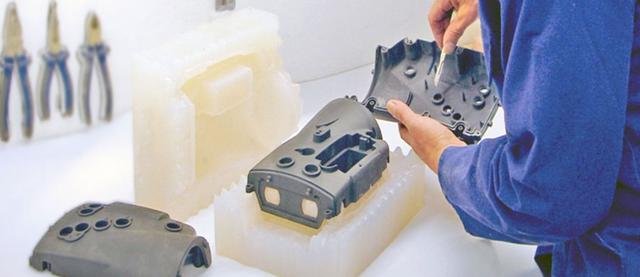
Vacuum casting is an ad...

| IMAGE | Finishing | Description | Application |
|---|---|---|---|
|
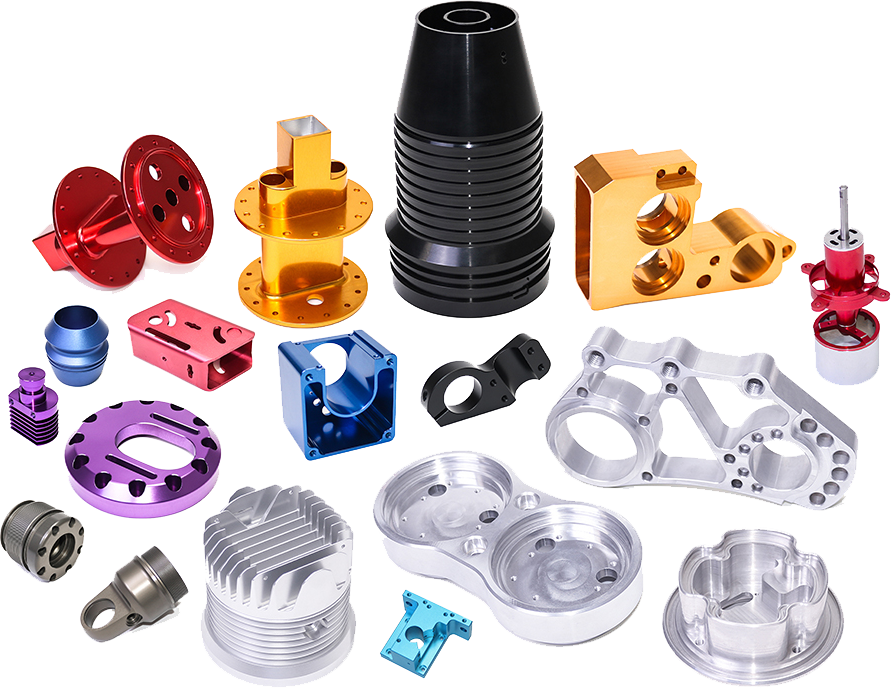
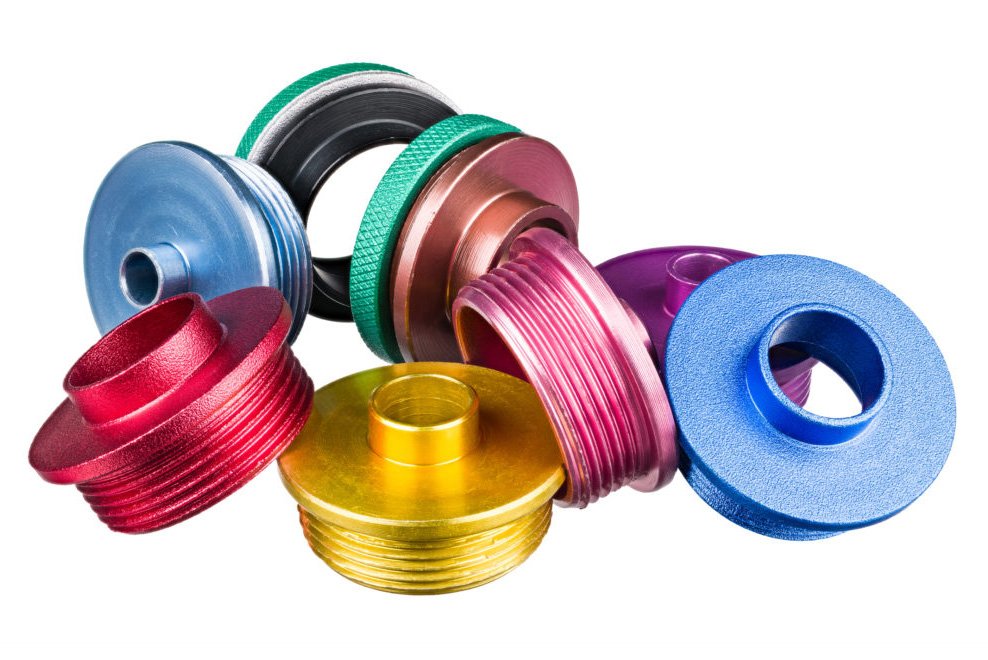
Anodizing | Anodizing is primarily used to treat the surfaces of aluminum components. The process thickens the natural oxide layer through electrolytic reactions,which enhances corrosion resistance, wear resistance, and surface hardness. surface hardness. Anodizing also enables a variety of coloring processes. | Widely applied in sectors such as aerospace, automotive, consumer electronics, industrial, and others. |
|
Electroplating | Electroplating is primarily used to deposit metal ions onto the surfaces of workpieces through the application of an electrical current. The process forms uniform metallic coatings, which enhance conductivity, corrosion resistance, and aesthetics. Electroplating is applicable to metals such as copper, nickel, chrome, gold, and silver. | Used in precision instruments, communications, consumer goods, or decorative components. |
|
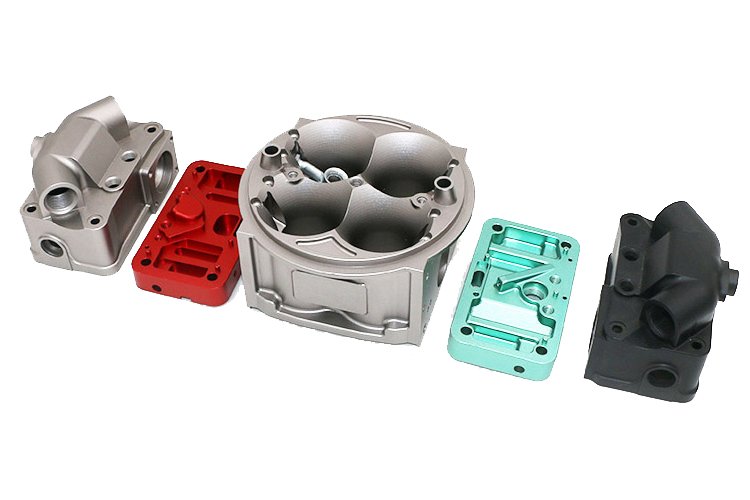
Powder Coating | Powder coating involves applying dry powder to workpieces using electrostatic principles. The coating is attracted to the surface and then heated through a thermal curing process. This causes the powder to melt, adhere to the substrate, and form a continuous, highly protective, colored surface layer. | Applied in automotive, industrial, consumer, and outdoor applications. |
|
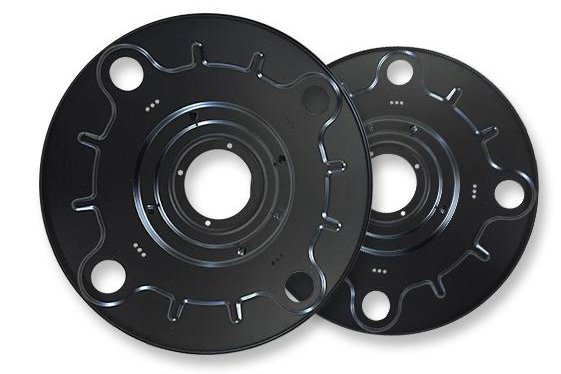
Electrophoretic Paint | Spray painting utilizes pressure or electricity to atomize liquid paint into uniform particles, which are then sprayed onto a workpiece to form a thin, even film. This film levels and dries or cures to form a solid, continuous coating. | Aluminum, steel, Stainless Steel |
|
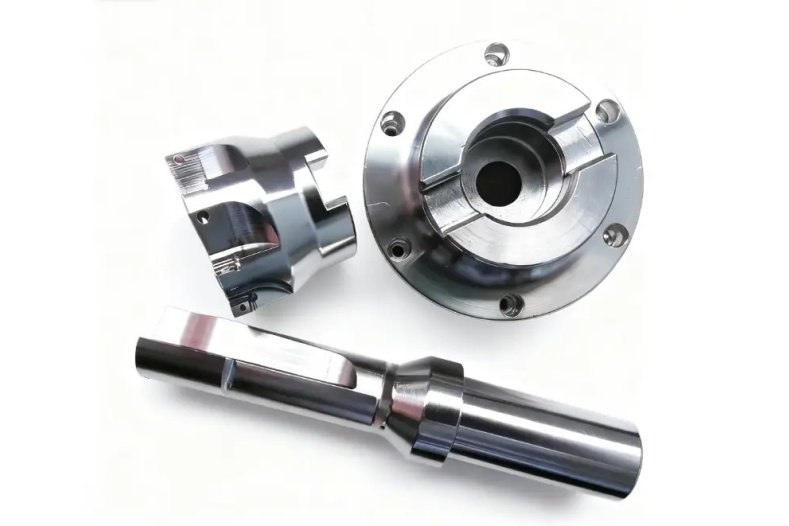
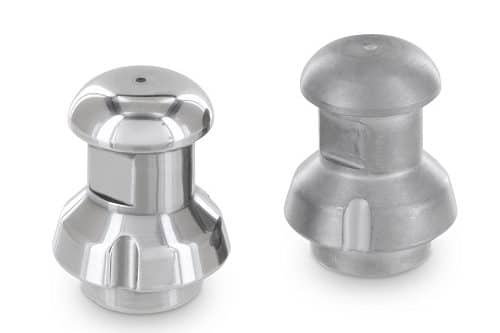
Polishing | Achieves a smooth, reflective surface through mechanical or chemical means. Reduces surface roughness and enhances aesthetic and light-reflective qualities. | Applied in automotive, electronics, aerospace, marine, heavy industry, construction, and more. |

|
Black Oxide | This steel-specific coating creates a black matte finish that enhances appearance and reduces glare while providing basic corrosion protection. | This material is applied to enhance both the aesthetics and durability of machinery and tools. |

|
Bead Blasting | High-pressure air streams propel fine glass beads or other hard particles (such as steel shot, ceramic beads, etc.) onto the surface of components at high velocity. This precise physical impact enhances surface quality and performance, serving as a preparatory process before subsequent heat treatment. | Applied during the pre-treatment stage to improve the adhesion and uniformity of subsequent coatings, plating, or other surface treatment processes. |
|
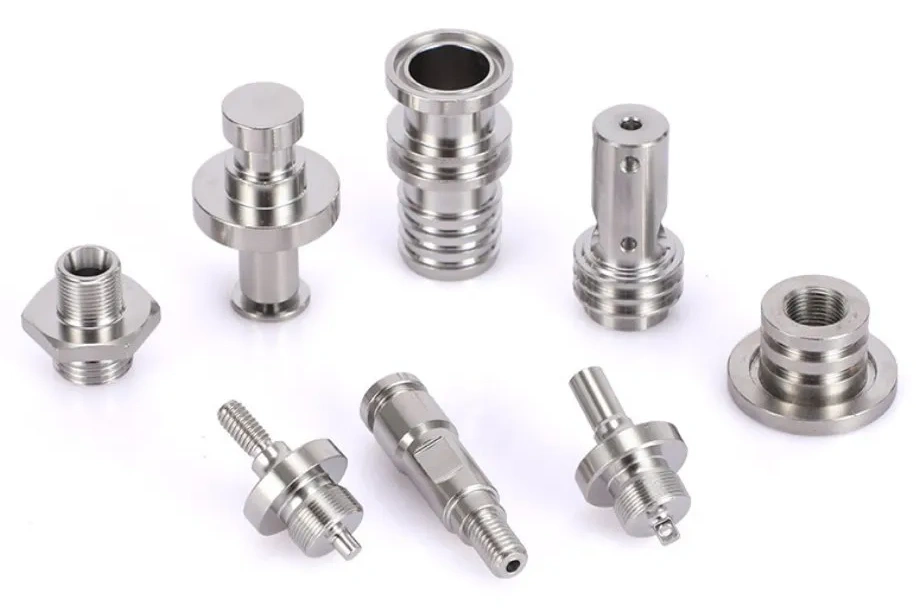
Heat Treatment | As a core metalworking process, heat treatment adjusts a workpiece's intrinsic properties (such as hardness, strength, toughness) following preparatory surface treatments. This process simultaneously hardens outer layers, thereby enhancing wear resistance and improving surface mechanical properties. | It is especially suitable for components with high-performance demands, such as gears and cutting tools. |
|
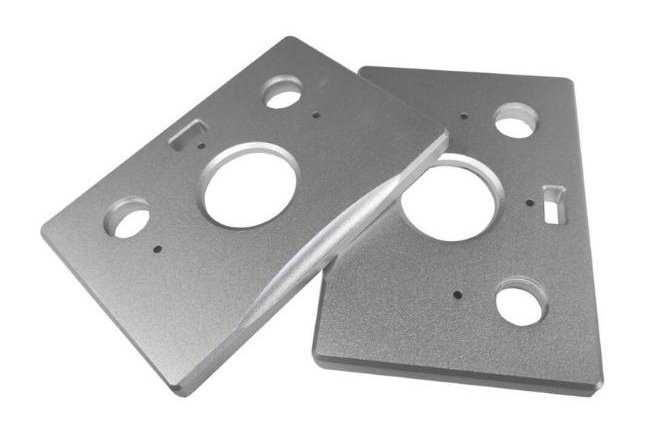
Sandblasting | As a core surface pretreatment method, sandblasting uses high-velocity abrasive particles (e.g., aluminum oxide, sand) to impact workpieces. This process efficiently cleans surfaces and produces controlled surface roughening, which in turn makes it ideal for thoroughly removing contaminants (e.g., rust, old paint) and ensures the fundamental durability and adhesion of coatings. | Applied as a critical preparatory step for processes like spraying and plating. |
|
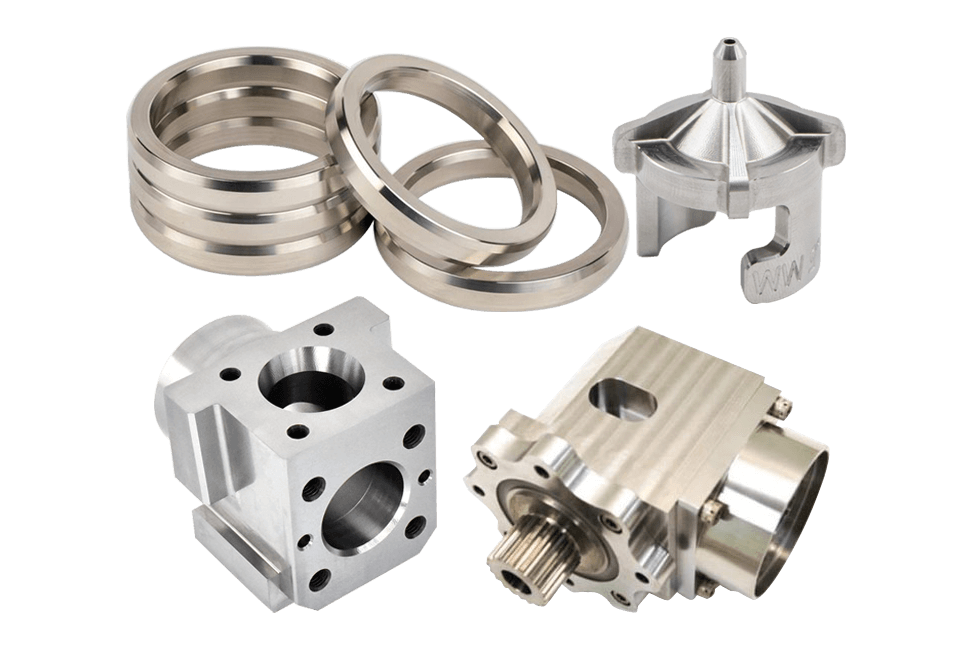
Electropolishing | Electropolishing is engineered to create ultimate surface finishes by electrochemically dissolving microscopic protrusions. This process significantly reduces roughness, resulting in a high-gloss, reflective mirror surface. These linked steps not only enhance aesthetics but also create an exceptionally dense and pure surface layer, offering outstanding corrosion resistance and ease of cleaning. | Relevant to the medical, pharmaceutical, and food processing industries, highlighting cross-industry applicability. |
|
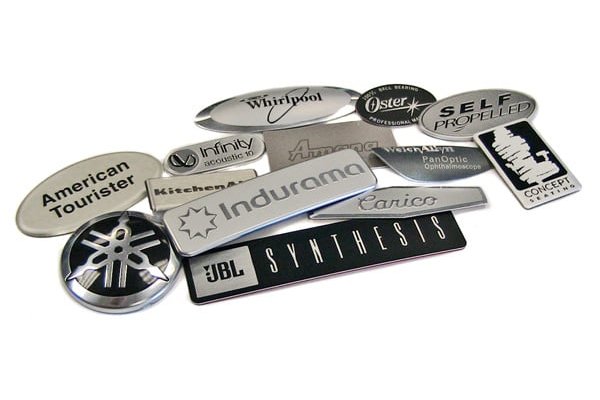
Screen Printing | Screen printing, also known as stencil printing, begins by preparing a mesh screen. Ink passes through the open design areas, while other sections block the ink. A squeegee then pushes ink through the mesh onto the surface, copying the original artwork. | Common in automotive, consumer electronics, aerospace, marine, heavy industry, construction, and other. |
No account yet?
Create an Account