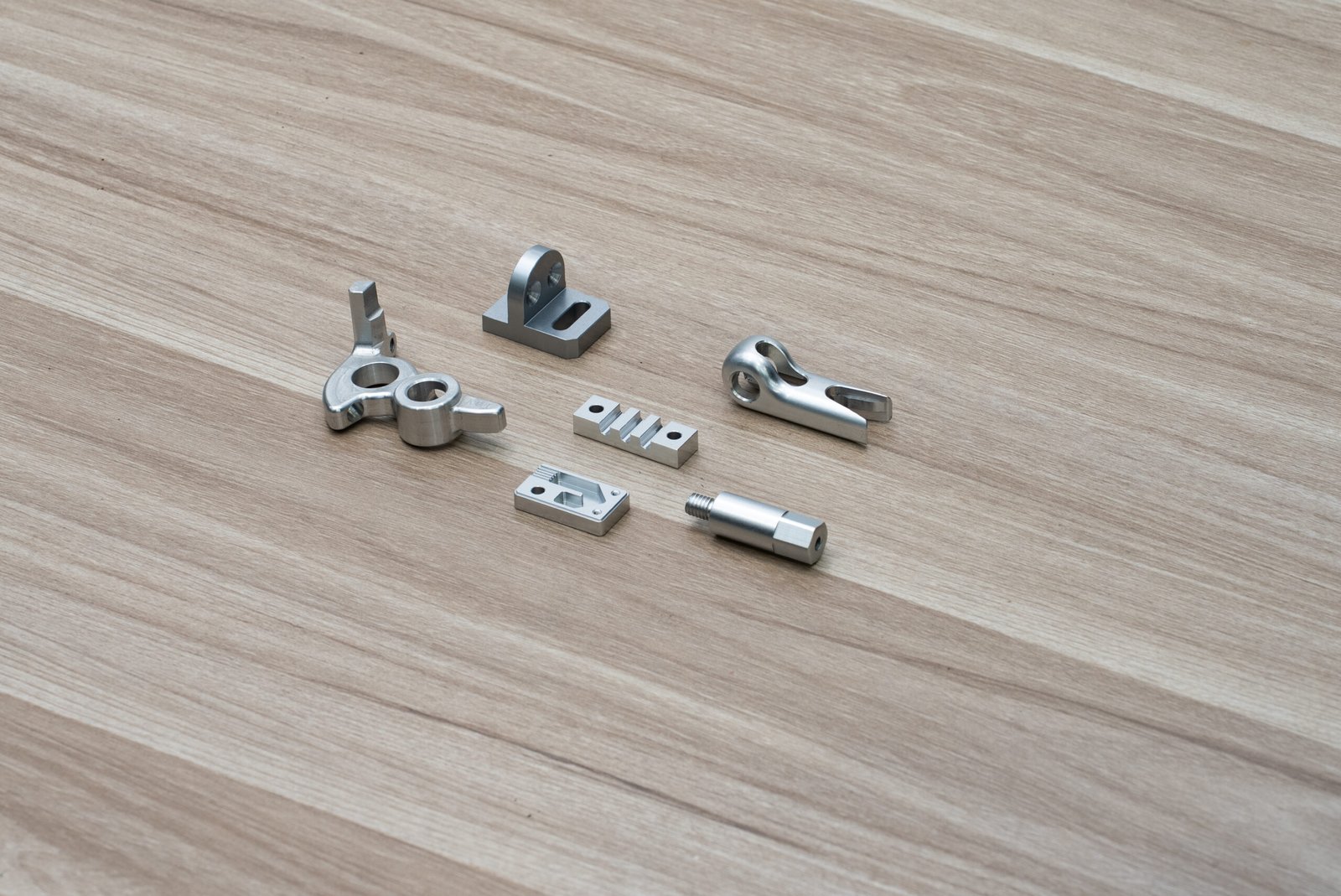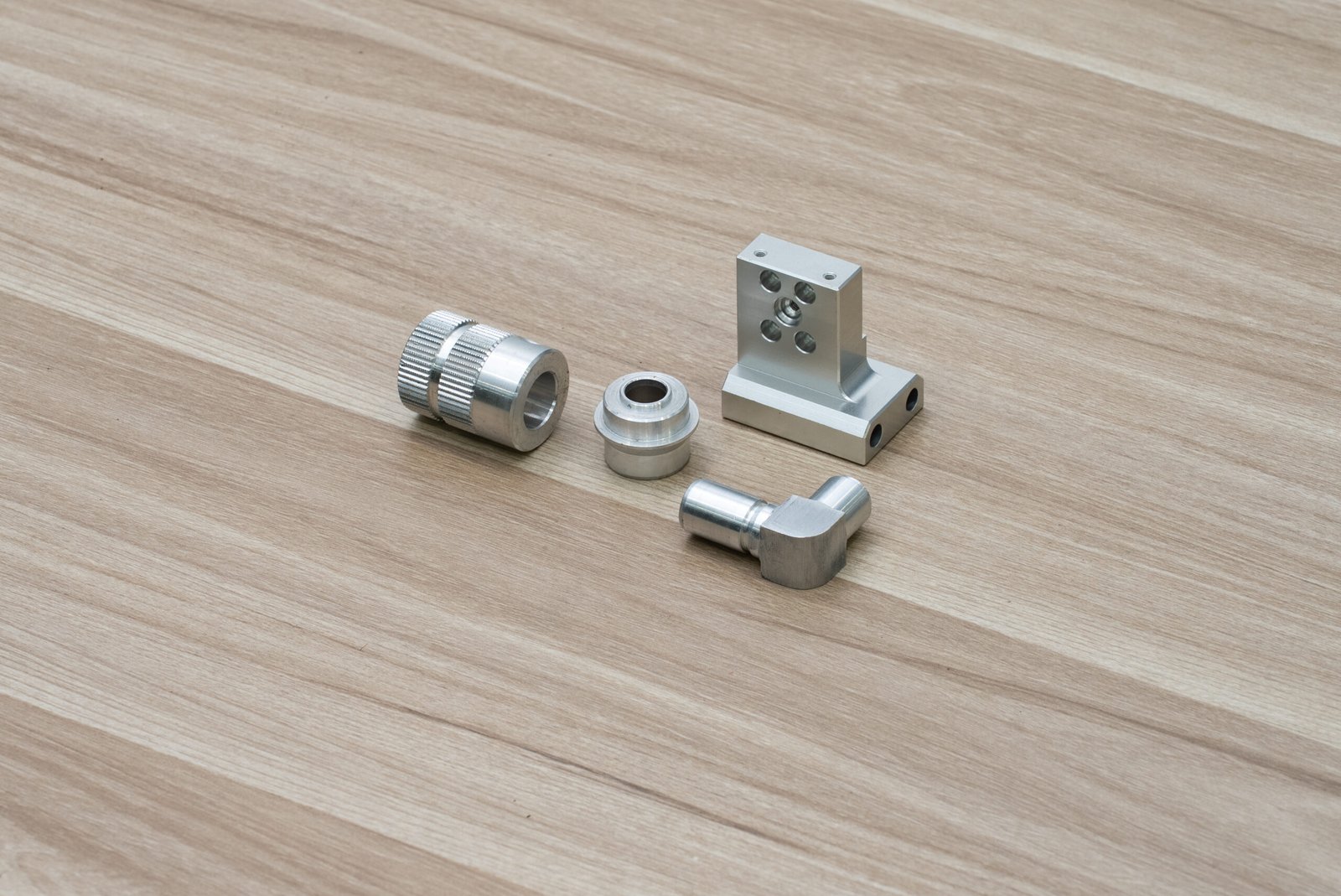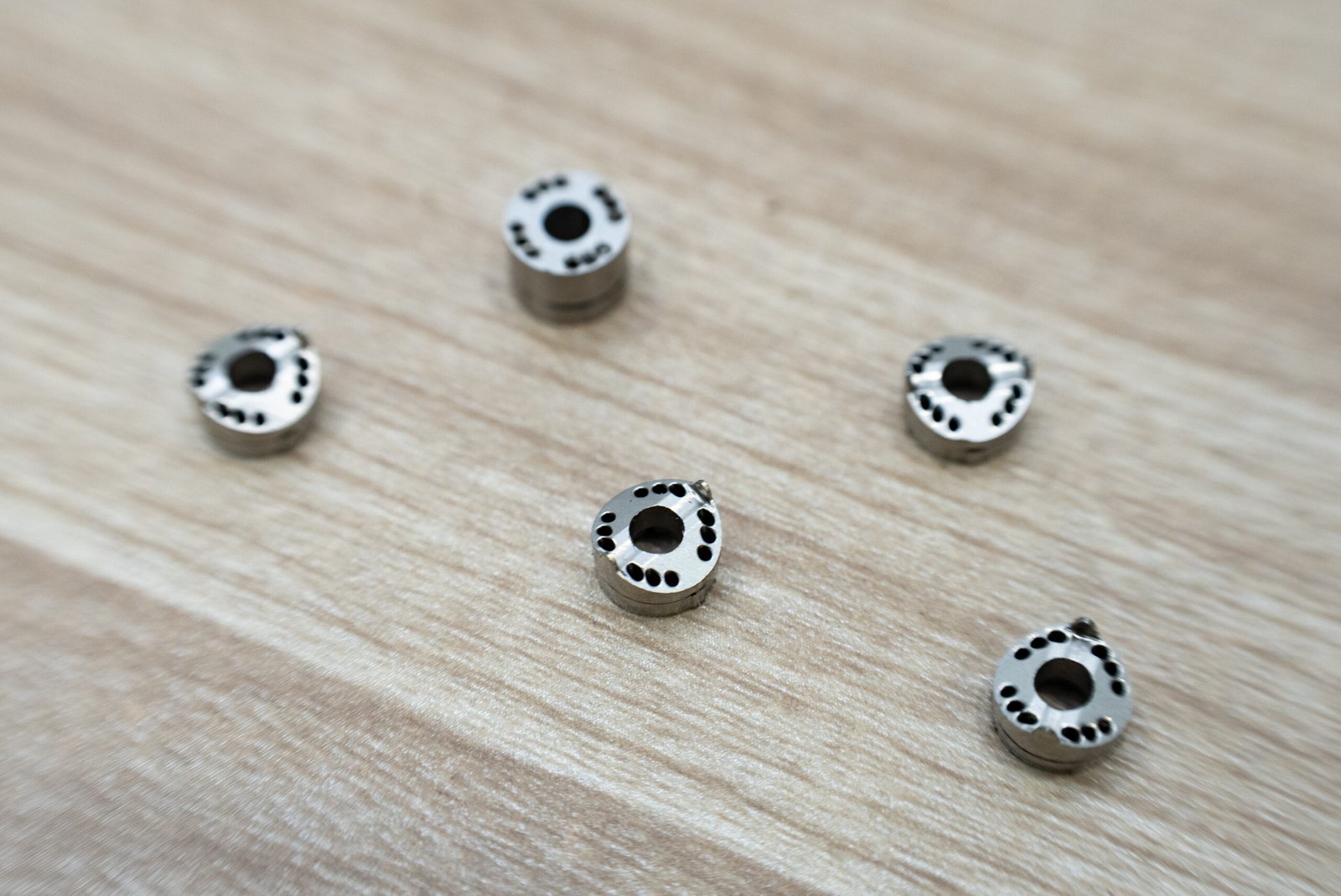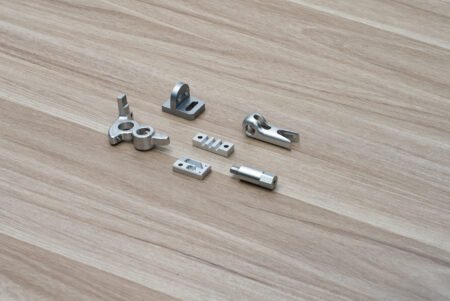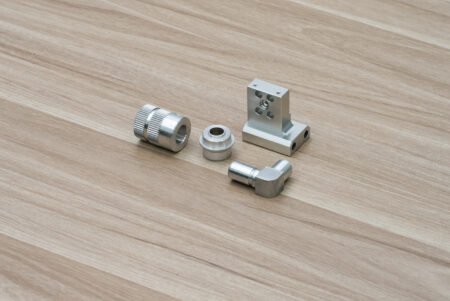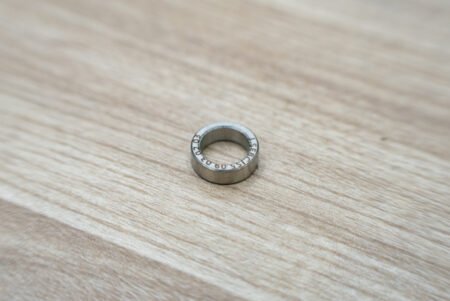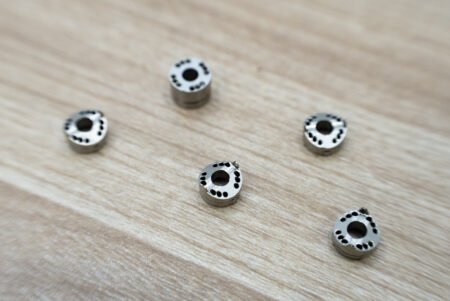

Medical Prototyping & Manufacturing
Leverage our advanced technology and skilled technicians to streamline your medical product development. From rapid prototyping to mass production, we deliver superior quality at competitive prices. Our expertise in medical device manufacturing ensures precision, efficiency, and regulatory compliance. Trust us to optimize your designs, select the best processes, and accelerate time-to-market.
- Innovation-Driven Clinical Excellence
- Committed to Precision
- Performance-Enhancing Advanced Materials
Expertise in Medical Device Contract Manufacturing
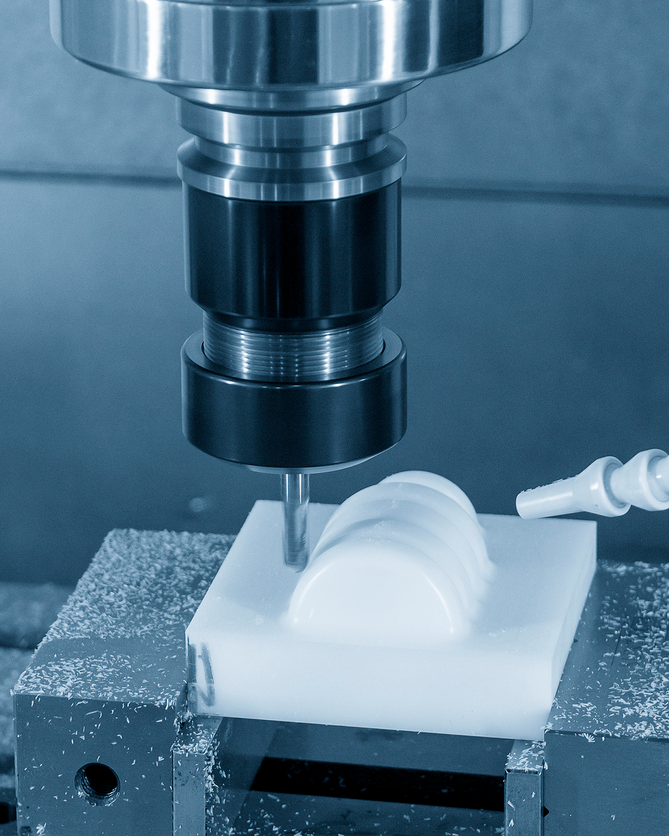
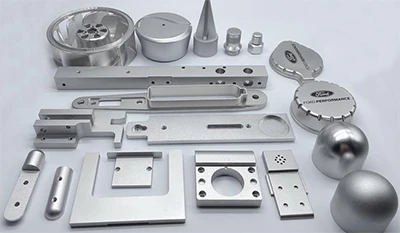
We specialize in comprehensive contract manufacturing services for the medical device industry, producing high-precision components and functional prototypes that meet the strictest standards of safety, reliability, and regulatory compliance. From direct patient-contact parts to complex medical equipment assemblies, our solutions support the entire product lifecycle—from prototyping to full-scale production.
Prototyping and production for Medical Industry
With deep expertise in medical-grade manufacturing, we accelerate time-to-market for innovative healthcare products through rapid prototyping and scalable production solutions.
- Free & Professional DFM Analysis
- Fastest Lead Time: As short as 1 day for urgent prototyping
- Expert Engineering Consultation at No Extra Cost
Key Requirements in Medical Manufacturing
We understand the critical demands of medical device production and consistently deliver:
- Extremely tight tolerances for high-precision assemblies
- Biocompatible, sterilizable, and FDA-compliant materials
- Rigorous quality control with in-process inspection and CMM verification
Types of Medical Parts We Manufacture
- Surgical instruments & handheld devices
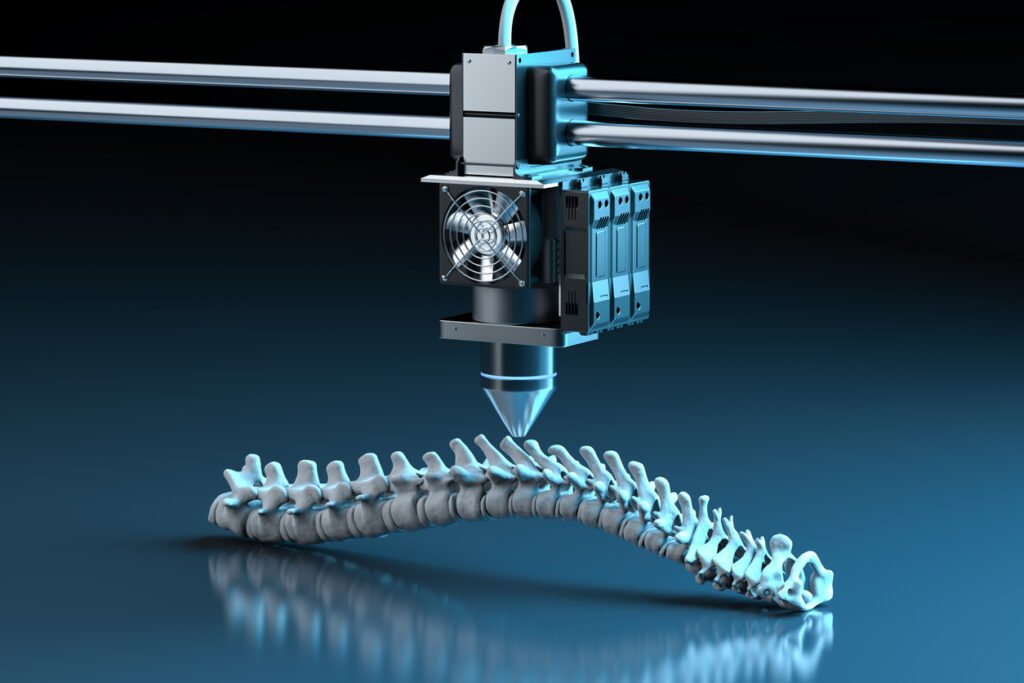
- Implantable prototypes & orthopedic models
- Prosthetic components & anatomical models
- Electronic enclosures & equipment panels
- Fluid management systems & connectors
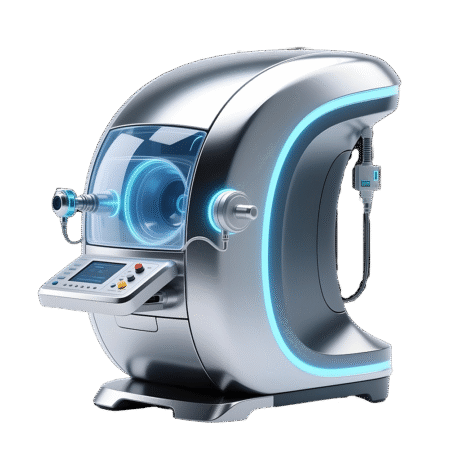
- Diagnostic imaging components (MRI, X-Ray, Ultrasound)
- Respiratory & ventilator assemblies
- Microfluidic & biotechnology modules
- Medical carts, tables, and mobility aids
- Disinfection systems & UV-C components
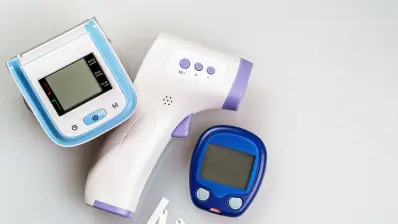
- Monitoring sensors & wearable housings
Common Materials for Medical prototypes

Titanium
Highly suitable for surgical implants, bone fixation devices, and joint replacements. Titanium is valued for its high strength-to-weight ratio, excellent corrosion resistance, biocompatibility, and compatibility with 3D printing processes such as DMLS.
Stainless steel and Inconel
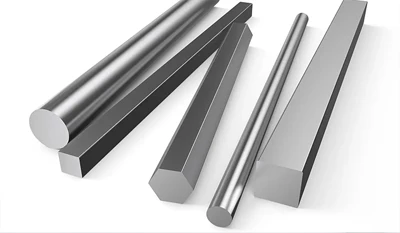
Various medical-grade stainless steels (e.g., 316L) and nickel-based superalloys like Inconel are chosen for surgical instruments, dental tools, and implantable devices requiring high strength, temperature resistance, and corrosion resistance in sterilizable environments.
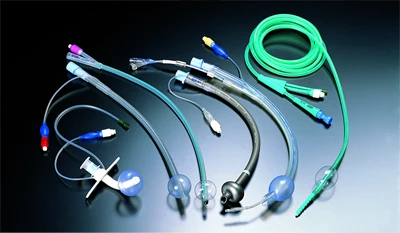
Medical-grade silicone rubber, TPE
Frequently used for seals, gaskets, wearable sensors, and soft-touch components. These materials are biocompatible, flexible, and offer good thermal, chemical, and electrical insulation properties—ideal for skin-contact and short-term implant applications.
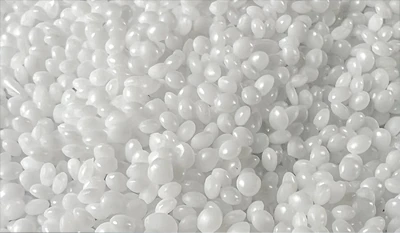
POM, PEEK, PEI
High-performance engineering thermoplastics widely used in medical device housings, surgical guides, and orthopedic implants. PEEK and PEI are heat-sterilizable, chemically resistant, and offer excellent mechanical stability, while POM is valued for its low friction and dimensional stability in moving parts.
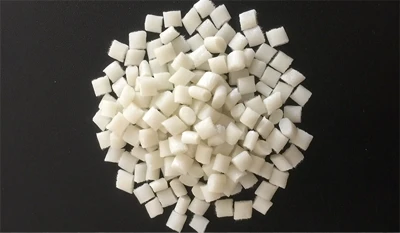
Nylon and ABS
Common in diagnostic device housings, prototypes, and non-critical medical appliances. These materials are affordable, easily machined or 3D printed, and offer good toughness and moderate chemical resistance for a range of clinical and laboratory applications.
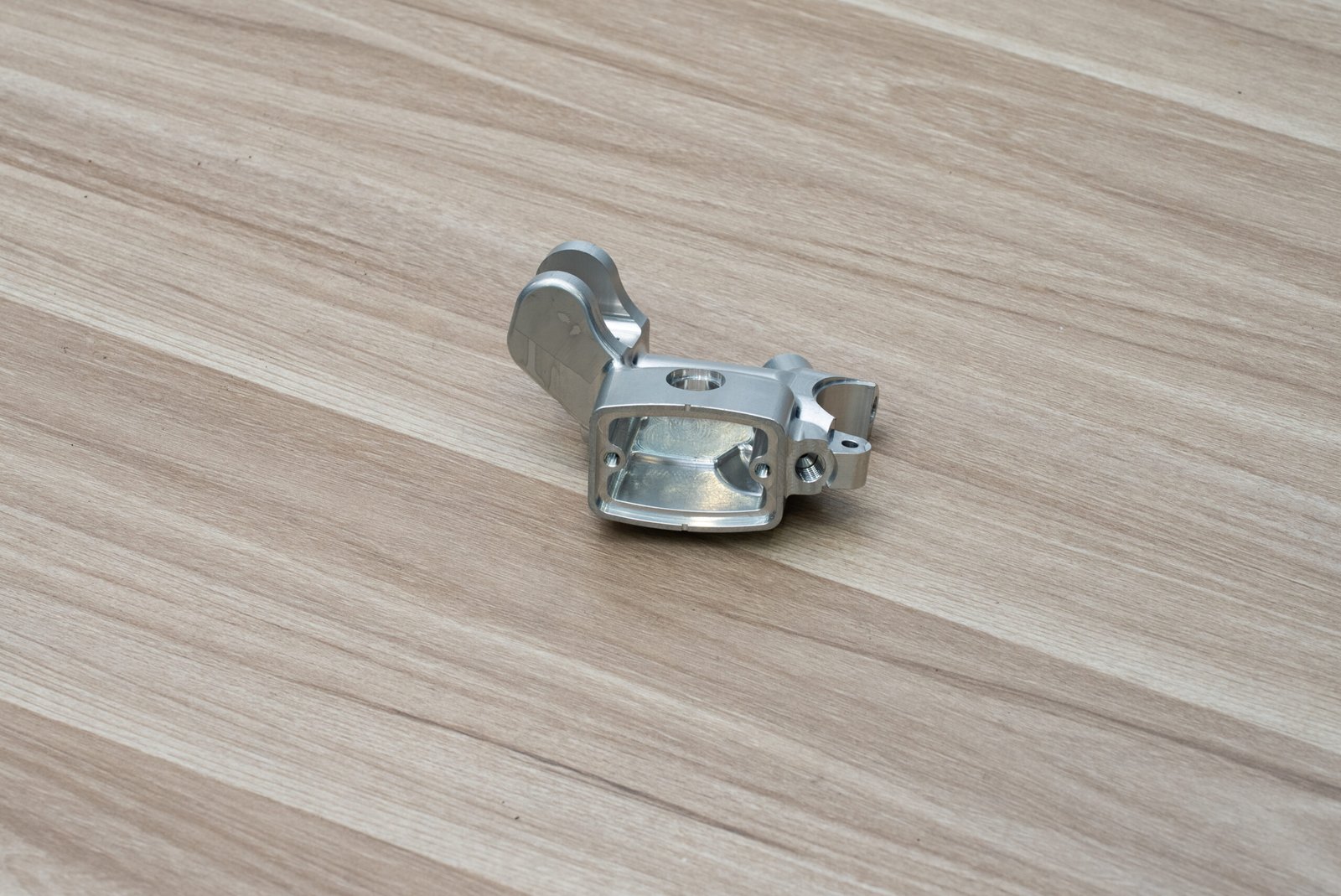
Best Practices Supported by Medical Device Prototyping and Manufacturing
At Xinjuli Precision, we support your medical device development with structured prototyping and manufacturing services aligned with industry best practices—helping you move confidently from concept to clinical use.
Medical Device FAQs
Prototyping is essential in medical device development for validating design concepts, evaluating functionality, safety, and ergonomics, gathering clinical feedback, and identifying potential regulatory and manufacturability challenges early in the development cycle, ultimately reducing time and cost before clinical trials and production.
A proficient medical prototyping team should possess:
Knowledge of biocompatible materials and sterilization methods
Expertise in precision machining, micro-machining, and cleanroom assembly
Experience with medical-grade 3D printing (e.g., DMLS, SLA for surgical guides)
Understanding of regulatory pathways (FDA, CE, ISO 13485)
Ability to design for manufacturability and assembly (DFM/DFA)
Skills in surface finishing for implants and wearables
- Surgical instruments and handles
- Orthopedic implants and trial components
- Dental surgical guides, crowns, bridges, and aligners
- Diagnostic device housings and fluidic components
- Wearable medical monitors and enclosures
- Endoscope parts and laparoscopic tool components
- Prosthetics and assistive device parts
- Instrument casings with cleanable surfaces
- Preferred formats include:
- .STL – most common for 3D printing
- .STEP / .IGES – for CAD data exchange
- .OBJ / .3MF – for high-resolution anatomical models
- .SLDPRT / .CATPart / .PRT – native CAD formats (with associated drawings)
- All files should include units, intended use, material requirements, and critical tolerances noted.
We implement a strict confidentiality protocol including:
Pre-project NDA (Non-Disclosure Agreement) signing
Secure, encrypted data transfer and storage systems
Access-limited project management and compartmentalized production
Compliance with ISO 13485 quality management and data protection standards
Option for anonymized project labeling and controlled cleanroom handling
Post-project data purging or secured archiving as per agreement