
Driving Automotive Innovation
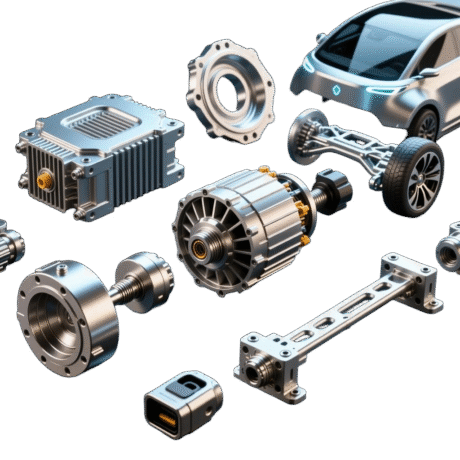
Building on this, we produce precision automotive components that support engines, transmissions, and custom vehicle parts for optimal performance.
- ISO 9001:2015 Certified
- Tolerances Up to ± 0.001mm
- 100% Quality Guaranteed
- Efficient Rapid Prototyping
- State-of-the-Art Technology Integration
- Tailored Innovative Solutions
Rapid Prototyping & Part Manufacturing for Automotive Industy
For over a decade, Hubei Xinjuli Precision Machinery has been providing rapid prototyping, custom component manufacturing, and integrated production solutions for the automotive sector. We focus on delivering superior quality, precision, and timely support to meet your development and production needs.
- Advanced Equipment & Cost-Effective Price
- Tight Tolerance of 0.001 mm
- 10+ years of Auto Parts Machining
- Free&Professional DFM Report
- 24/7 Engineering Support
Our Robust Automotive Parts Machining Capabilities
Prototyping and Production Solutions for Automotive Parts
From prototyping to mass production, we support you as your business partner, ensuring precision and efficiency at every step with integrated solutions.
Prototyping
Prototyping Core Value: Gain a competitive edge by validating ideas quickly and cost-effectively.
What we deliver: We utilize straightforward methods and cost-effective materials to rapidly create models that bring your designs to life.
Engineering Validation
Engineering Validation Core Value: Ensure performance and reliability through early, data-driven validation.
During Engineering Validation, our team tests products using advanced tools and provides clear reports to ensure everything works as expected.
Design Validation
Design Validation Core Value: Refine every detail to prepare your product for launch.
What we deliver: We build high-resolution functional prototypes that enable precise evaluation of performance, appearance, and user experience. For medical devices, we verify materials, evaluate surface treatments, and conduct life-cycle testing to ensure full compliance.
Production Validation
Production Validation Core Value: Bridge R&D and manufacturing to maximize efficiency and enable mass production.
What we deliver: We leverage cutting-edge production capacity and rigorous quality systems, optimizing product designs for manufacturability, and collaborate with you to establish a stable supply chain, ensuring readiness for mass production.
Full-Scale Production
Full-Scale Production Core Value: Deliver reliable, on-time results by transforming validated designs into a steady flow of market-ready goods.
What we deliver: We rigorously enforce quality standards and delivery schedules to guarantee reliable outcomes.
Leveraging our expertise in mass production of consumer goods and our customized production line tools, we ensure that your products are manufactured to the highest quality standards.
What materials are used in automotive prototyping?
In automotive prototyping, materials are selected based on part function, performance requirements, and production feasibility. Commonly used categories include metals, plastics, and composites such as carbon fiber. Stainless steel and aluminum alloys are favored for structural components due to their strength and durability, while materials like magnesium, titanium, and copper alloys may be specified for specialized applications. Engineering plastics such as Acrylic, ABS, PC, and PPS are widely used for their flexibility, weight savings, and performance in automotive environments.
Metals
- Stainless Steel
- Aluminum Alloy
- Carbon Steel
- Titanium
- Copper
- Magnesium
- Tool Steel
- Zinc Alloy (Zamac)
Plastics & Polymers
- ABS
- Polycarbonate (PC)
- Acrylic (PMMA)
- Polyphenylene sulfide (PPS)
- Polypropylene (PP)
- Nylon (PA)
- Polyurethane (Urethane)
Other & Composites
- Carbon fiber
- Silicone Rubber
- Epoxy Resin
- Fiber-reinforced Polymers
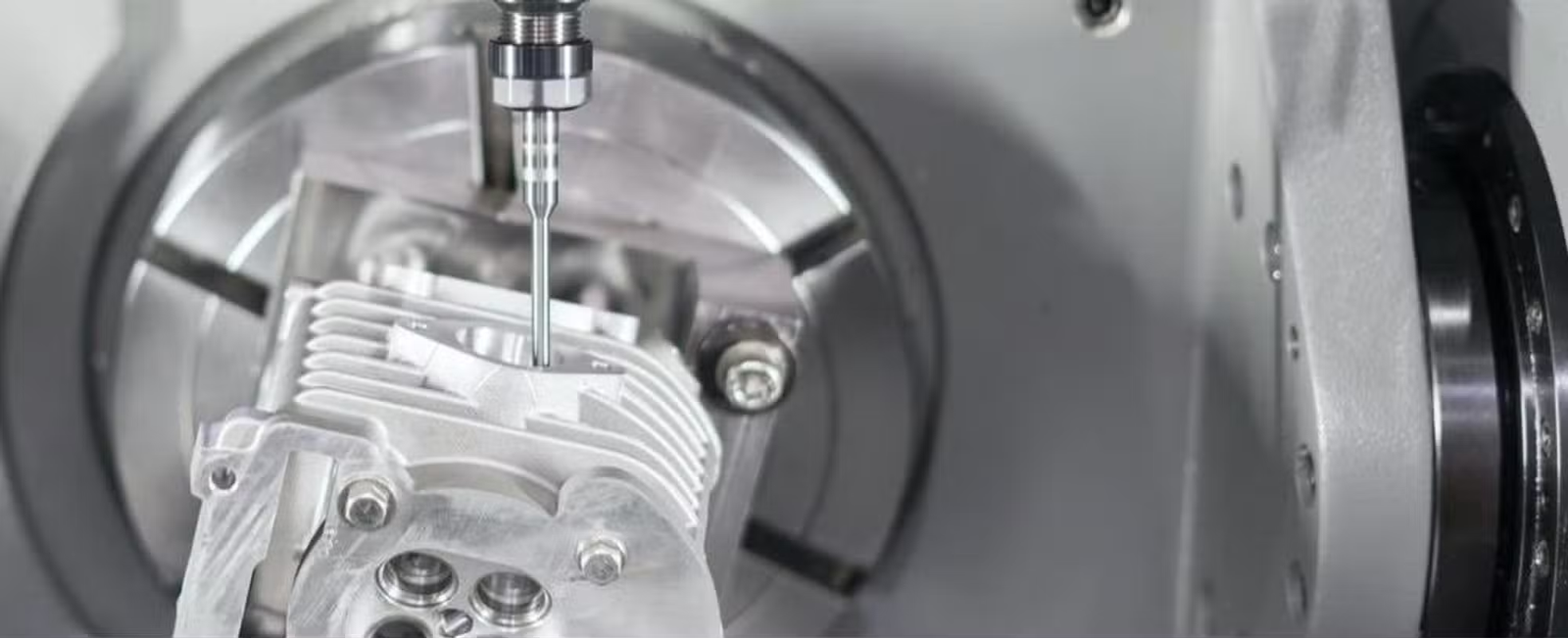
Automobile Prototype Manufacturing
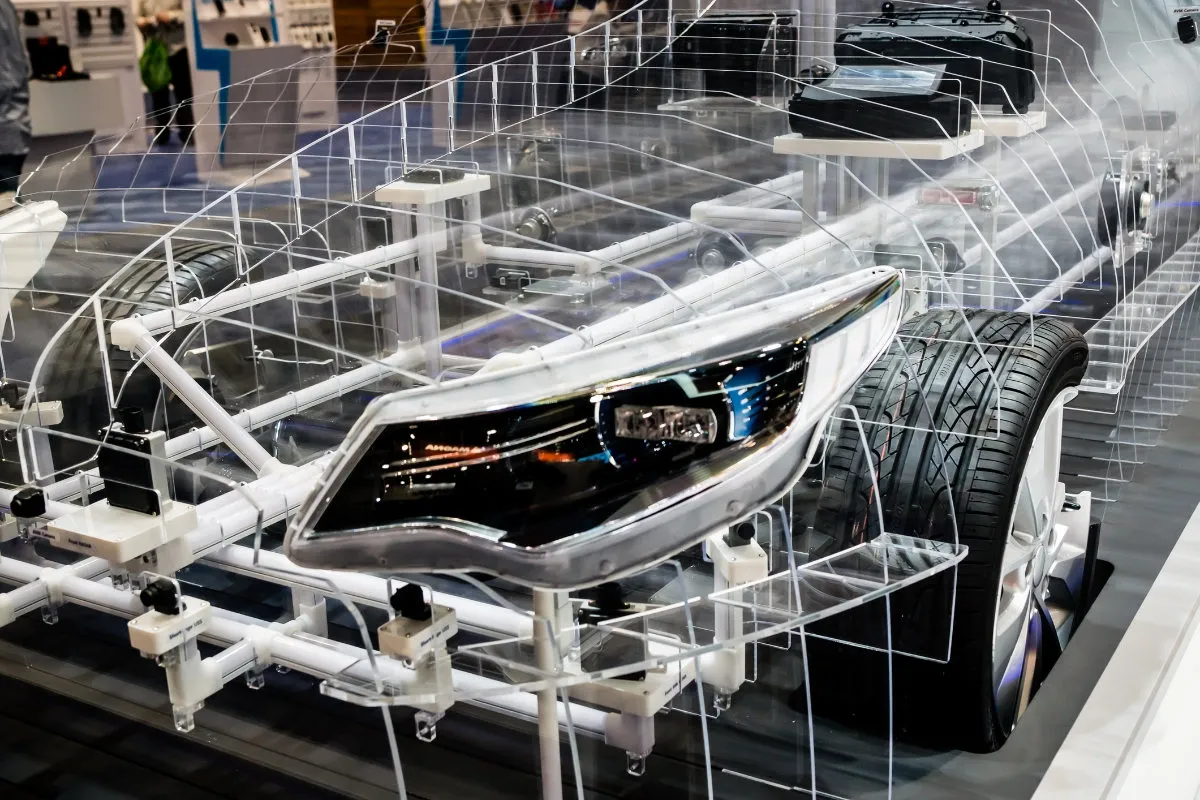
Automotive Lighting - Optics Prototype-Lighting Systems
We specialize in precision manufacturing of automotive optical components, from lenses and reflectors to full lighting assemblies. Using advanced CNC machining and polishing techniques, we deliver prototypes that meet both aesthetic and functional optical requirements for R&D and pre-production validation.
- Acrylic CNC machining with optical-grade transparent polishing
- Thin-walled transparent plastic processing (PC, PMMA)
- High-quality manual finishing and surface polishing
- Two-shot (2K) molding for multi-material optical components
Light Guides and Aluminum Mirrors
Combining 5-axis CNC milling with diamond machining technology, we produce highly precise optical surfaces and complex geometries for light guides and reflectors.
- Minimum machining radius: R0.1mm
- Surface tolerance: ±0.02mm
- Surface roughness: CNC milling Ra 0.2µm | Mirror polishing Ra 0.05µm
Automotive Mechanical Parts - Functional Prototypes
We develop functional prototypes of automotive mechanical components using CNC machining, 3D printing, vacuum casting, and rapid tooling. Our prototypes enable realistic performance testing, design validation, and assembly verification using end-use materials and manufacturing-grade accuracy.
- Functional testing with final production materials
- Functional testing with final production materials
- Precision prototypes to identify design and dimensional issues early
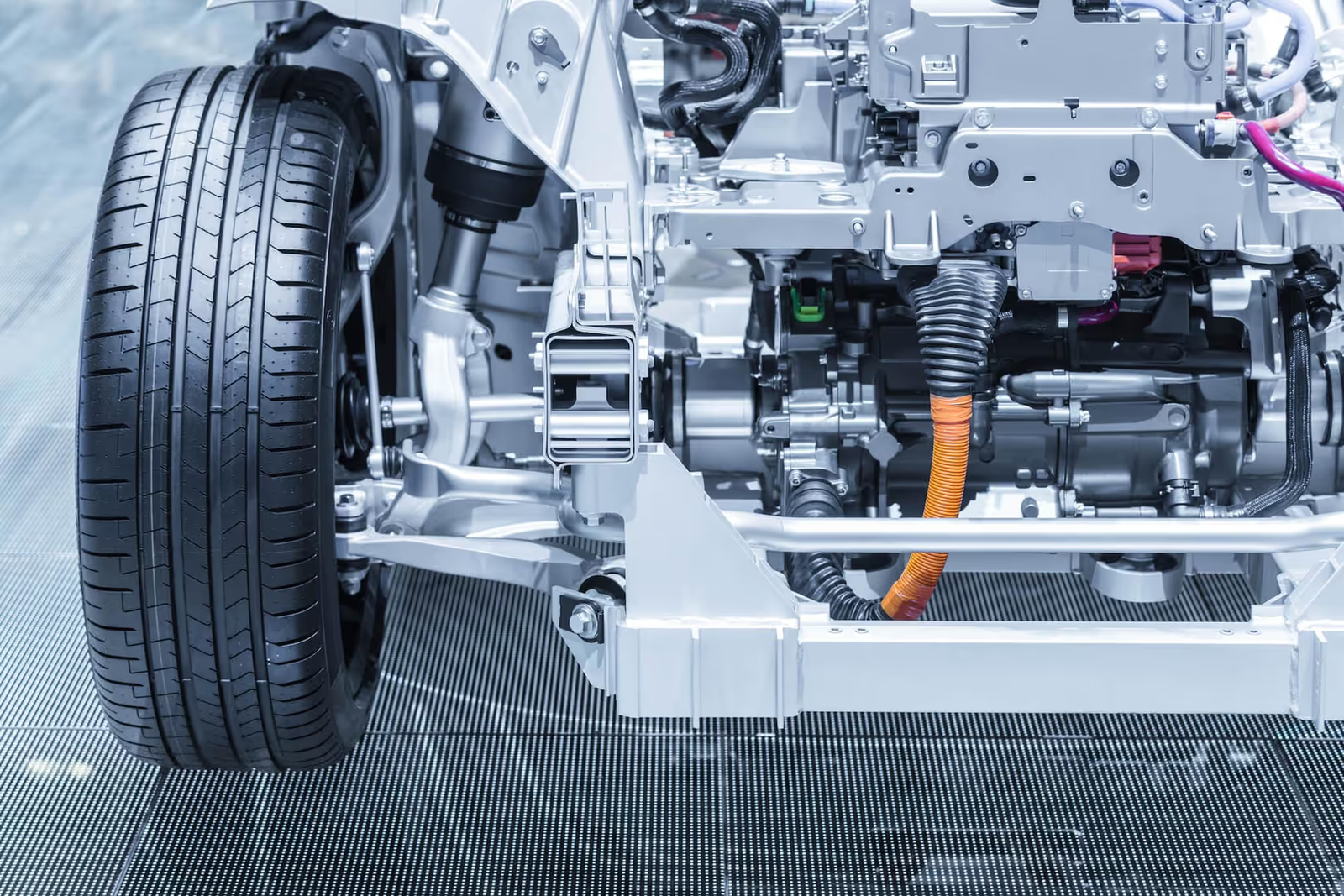
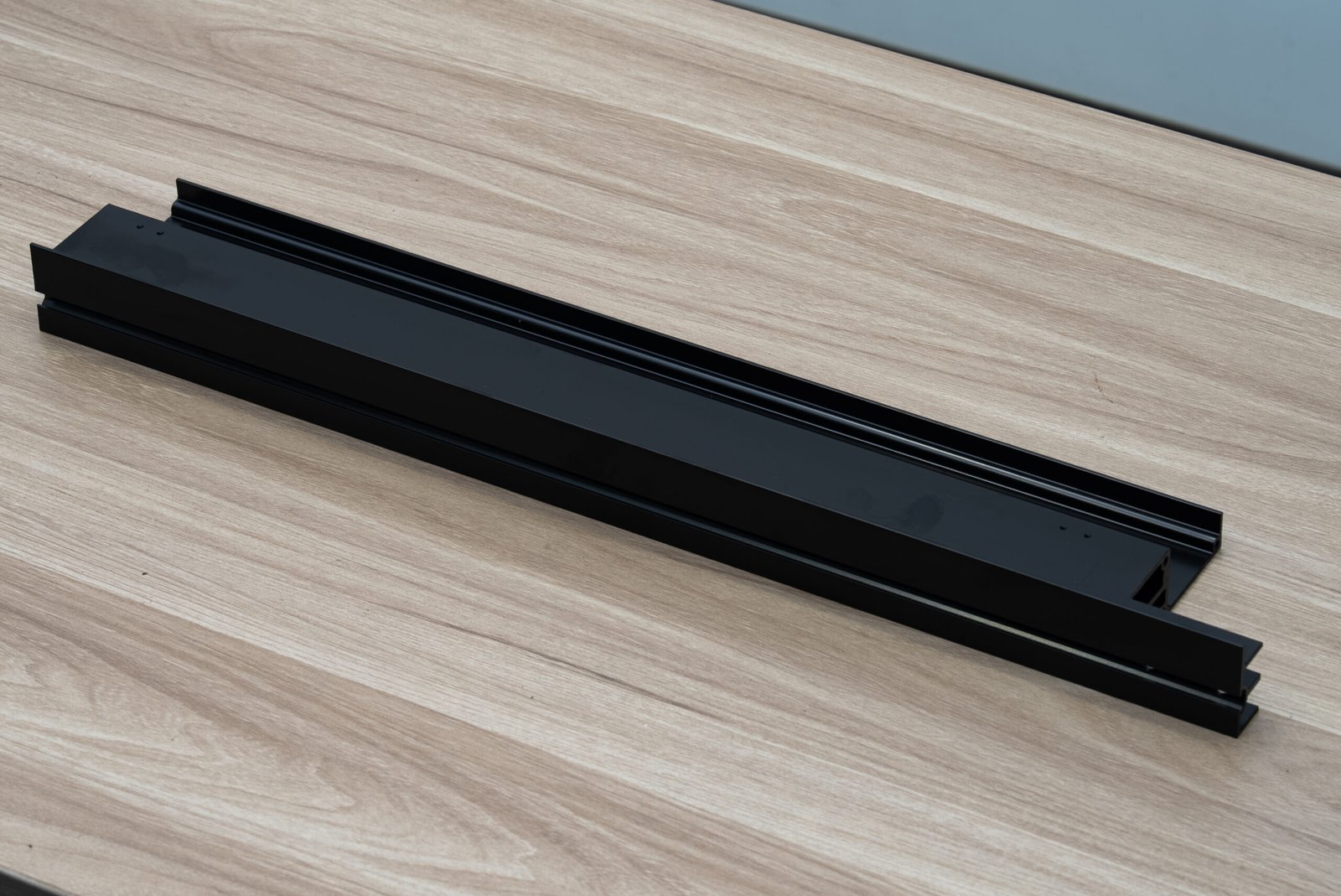
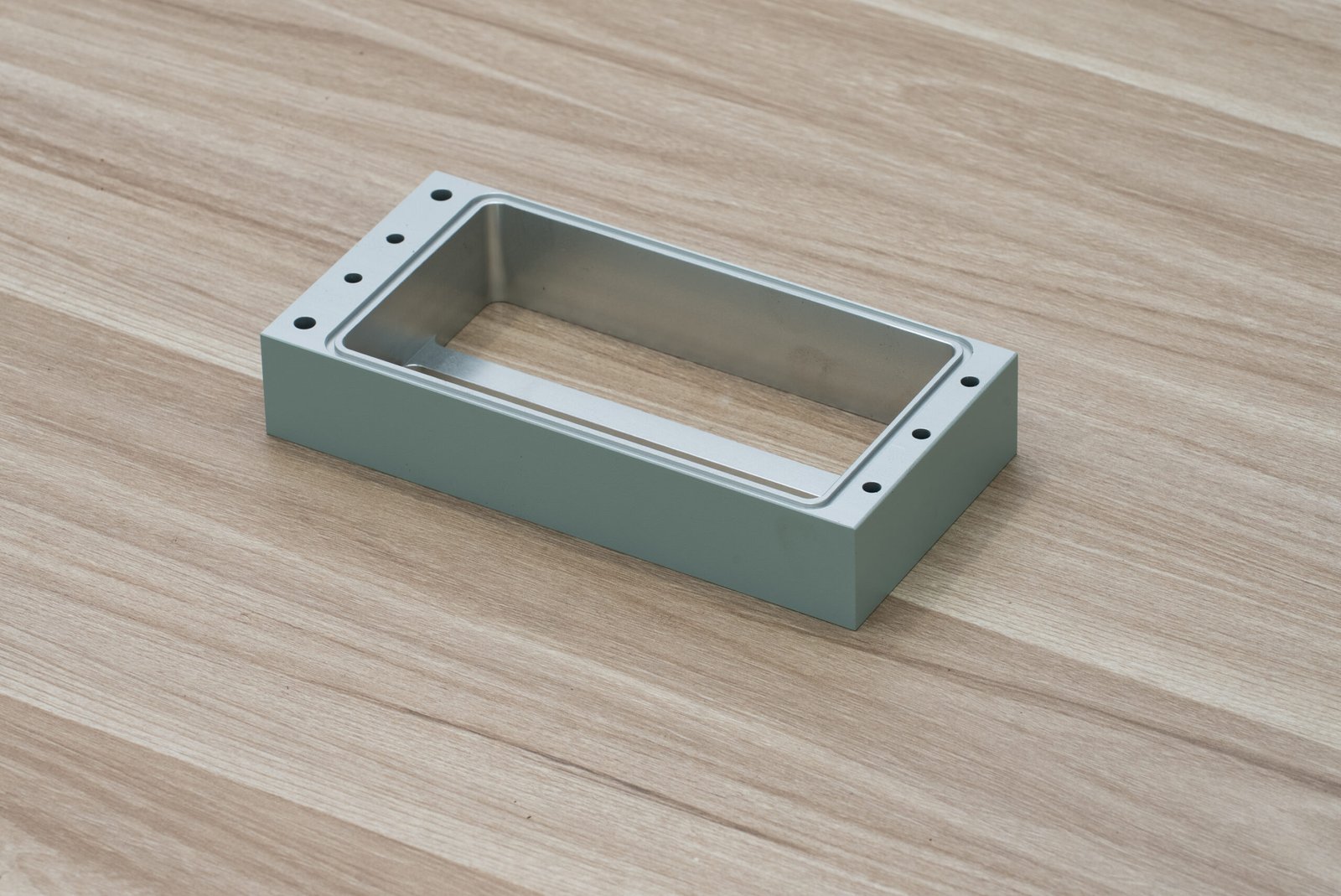
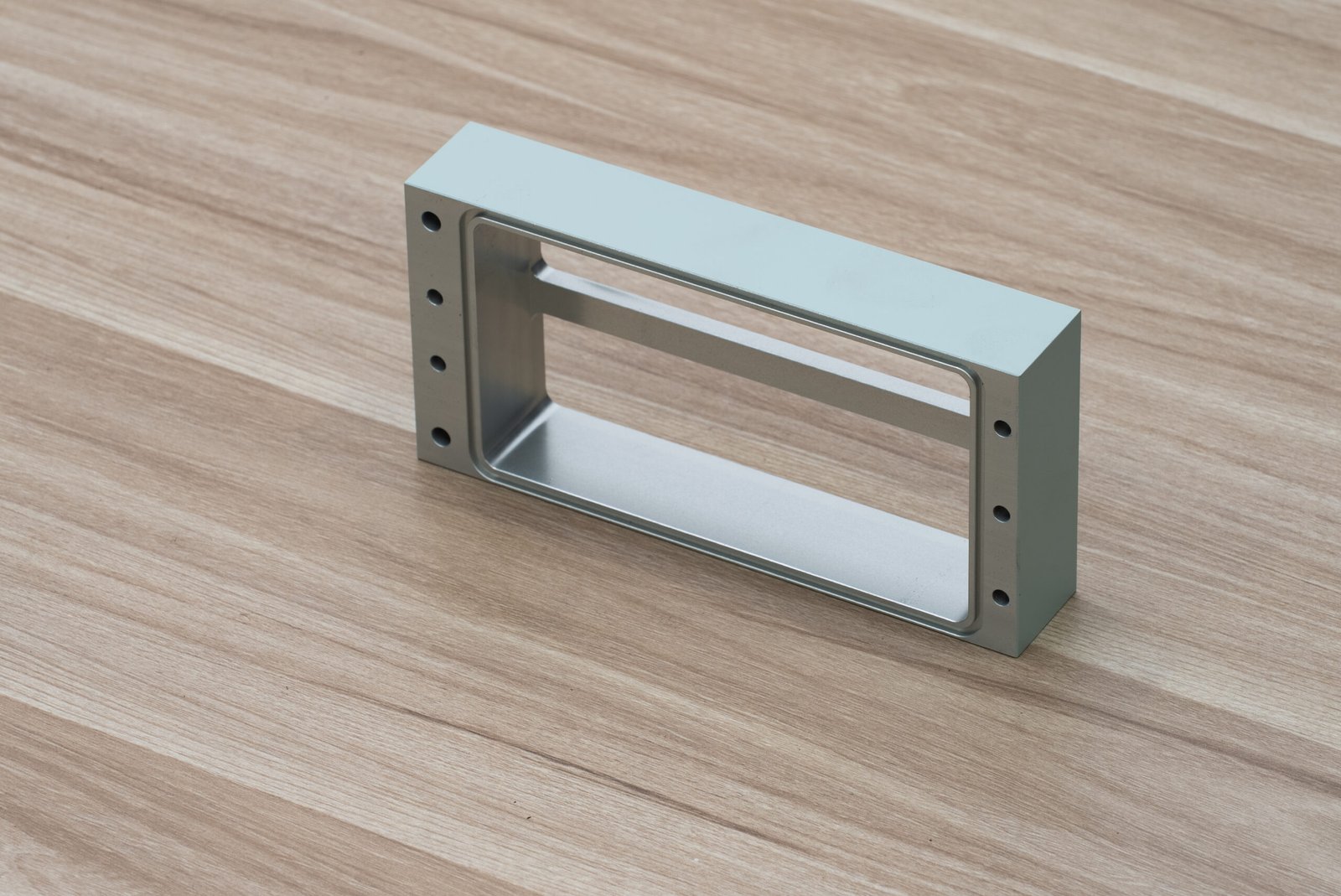
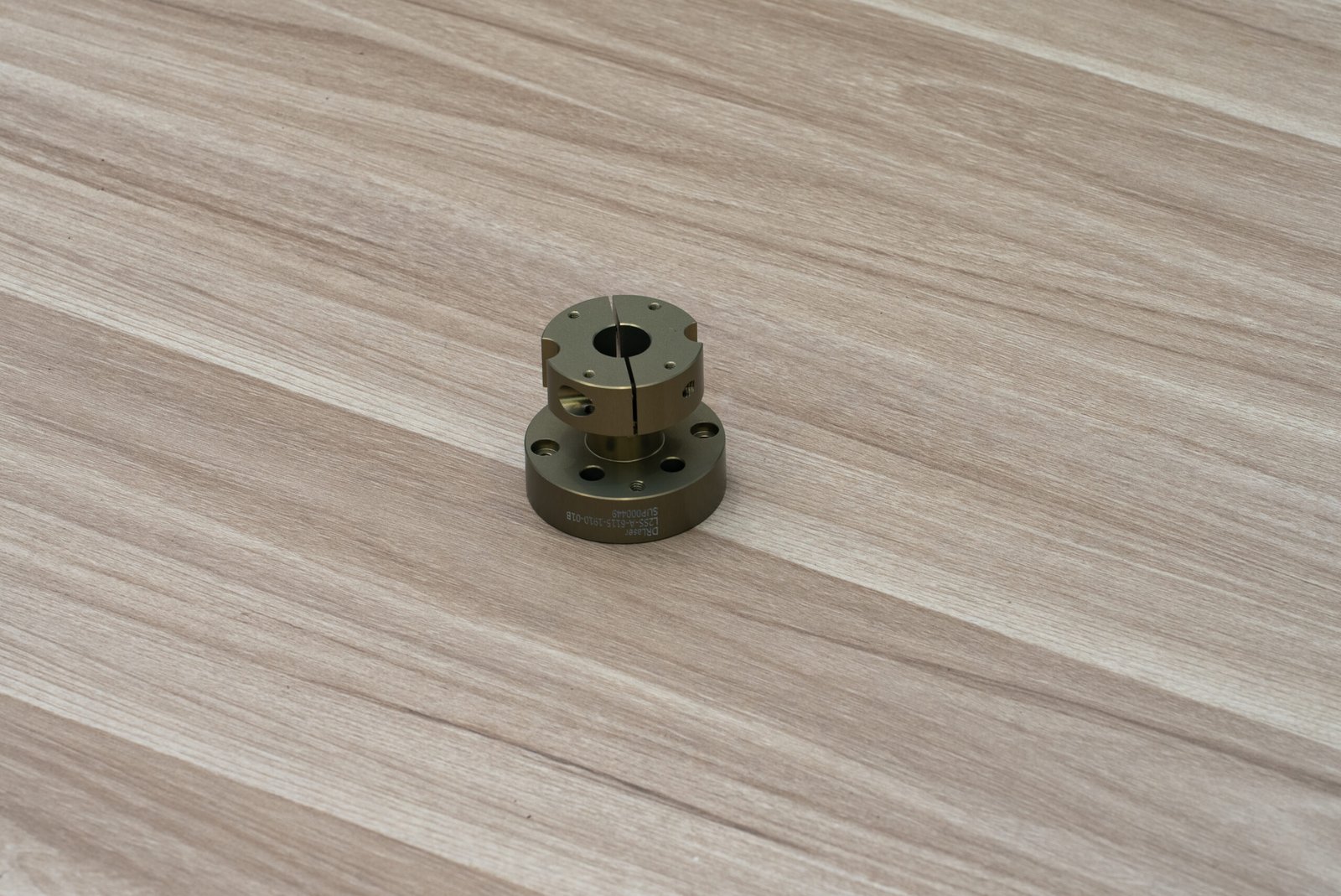
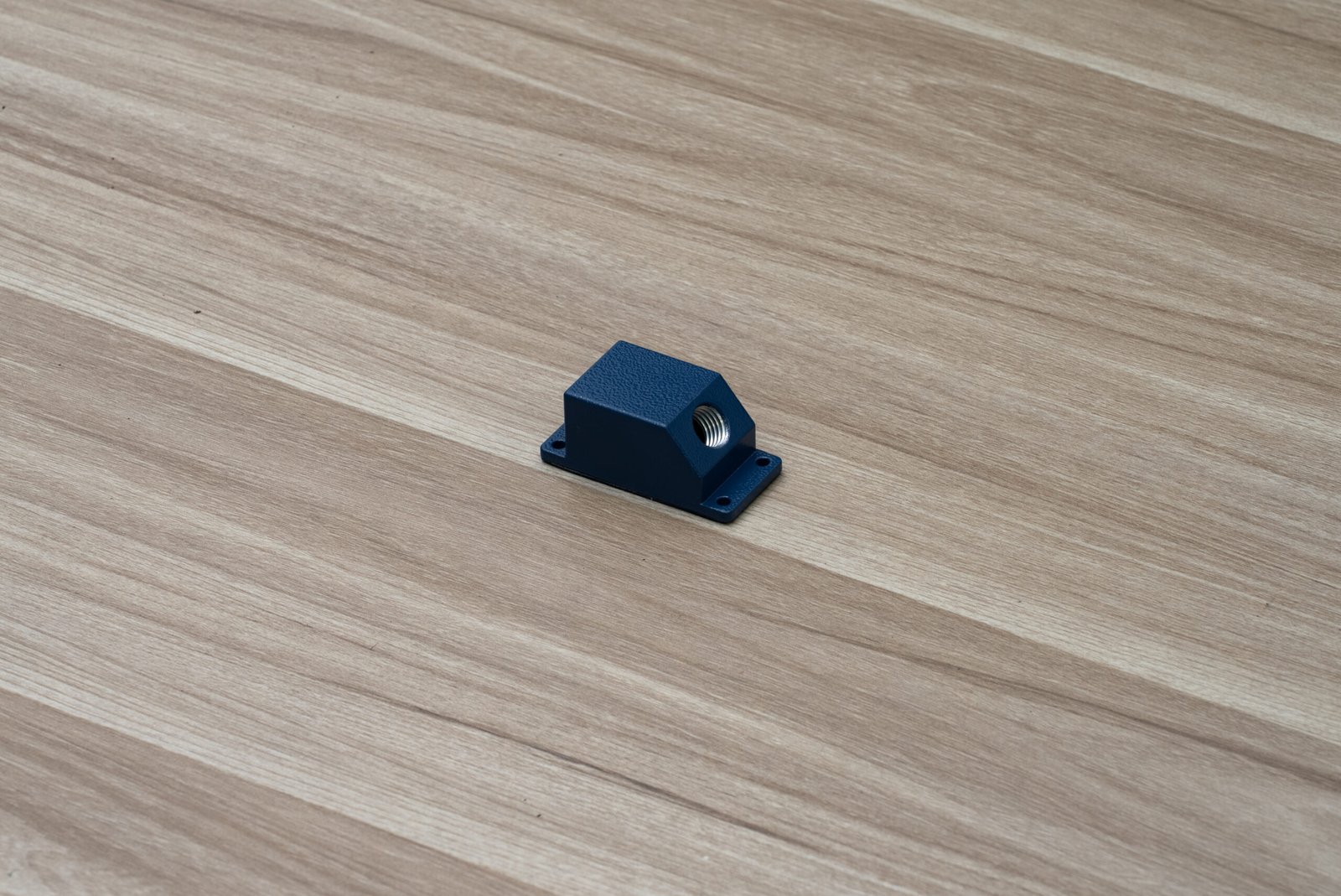
Automotive Prototypes Gallery from Xinjuli
Automotive FAQs
Precision machining is used for critical automotive components where high strength, tight tolerances, and reliability are required. Commonly machined parts include:
Engine parts: cylinder blocks, cylinder heads, crankshafts, camshafts, connecting rods
Transmission components: gears, shafts, housings
Suspension systems: control arms, knuckles, spindles
Brake assemblies: rotors, calipers, brackets
Steering mechanisms: steering columns, racks, pinions
Fuel and intake systems: fuel injectors, throttle bodies, intake manifolds
Electrical and housings: alternator housings, sensor mounts, motor components
Machining is ideal for parts requiring:
High dimensional accuracy and repeatability
Complex geometries with tight tolerances
High strength-to-weight ratios
Durability under stress, heat, or vibration
Metal or engineering plastic materials
Low to medium production volumes before mass production tooling
Common examples: engine blocks, transmission housings, brake calipers, steering components, custom brackets, and prototype assemblies.
CNC Machining – for high-accuracy metal and plastic prototypes
3D Printing – including SLA, SLS, FDM, and DMLS for fast design iteration
Vacuum Casting – for small-batch silicone molds and polyurethane parts
Rapid Tooling – for injection molding prototypes
Sheet Metal Prototyping – laser cutting, bending, welding
Composites & Carbon Fiber Layup – for lightweight structural parts
Metals: Aluminum, stainless steel, carbon steel, titanium, magnesium, brass
Plastics: ABS, PC (Polycarbonate), PA (Nylon), POM, PP, PEEK, PMMA (Acrylic)
Composites: Carbon fiber, fiberglass, reinforced polymers
Elastomers: Silicone, rubber, TPU for seals and gaskets
Specialty alloys: Tool steel, Inconel, copper alloys for specific performance needs
Part complexity and size
Material selection – exotic metals or high-performance plastics increase cost
Tolerances and surface finish requirements
Quantity – per-part cost decreases with batch size
Lead time – expedited services may carry a premium
Post-processing – painting, plating, heat treatment, assembly
Design for manufacturability (DFM) – optimized designs reduce machining time and cost